🦆 Duck breed
Mallard
Ornamental Origin: Worldwide
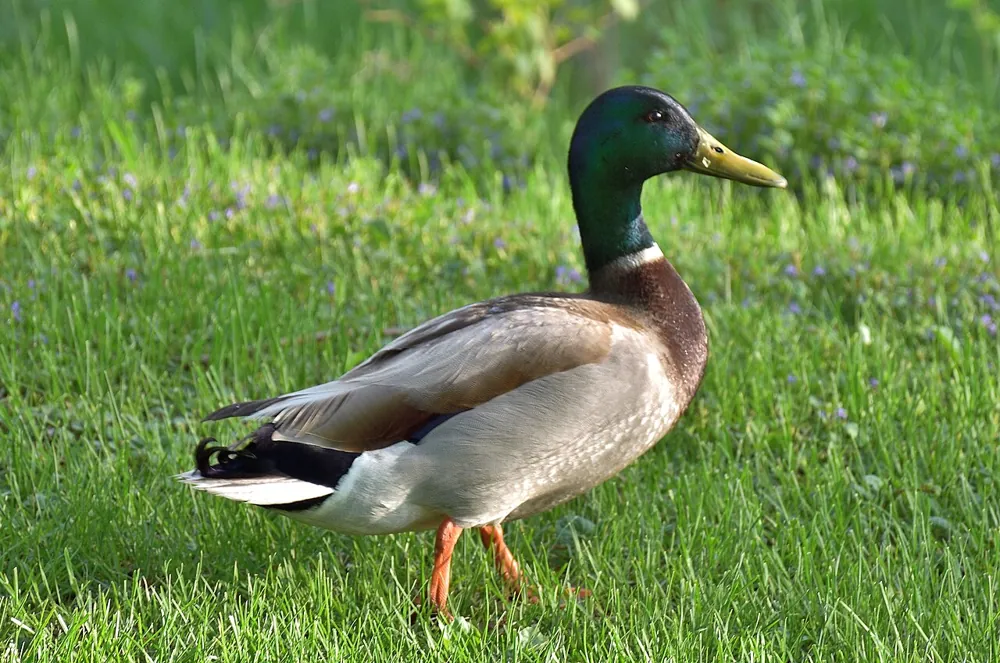
Photos via Wikimedia Commons — Saud (CC BY-SA 4.0) · U.S. Fish and Wildlife Service - Midwest (Public domain) · Charles J. Sharp (CC BY-SA 3.0) · Peter Barr (CC BY-SA 2.0) · Robert Graham (CC BY-SA 2.0)
Mallard at a glance
| Eggs / year | — not yet sourced |
|---|---|
| Egg color | Greenish / Grey |
| Egg size | Medium |
| Cold hardiness | Excellent |
| Heat tolerance | Good |
| Size | ♂ 2.5 lb · ♀ 2.4 lb≈ approx |
| Temperament | Active · Flighty |
| Space / bird | ~6 sq ft |
| Purpose | Ornamental |
| Broodiness | Often |
| Origin | Worldwide |
Sources: APA Standard of Perfection / Livestock Conservancy · varies / seasonal — left blank. Blank fields are left empty — never invented.
Pros & cons
Pros
- +Very cold-hardy
- +Will hatch and raise her own chicks
Cons
- −Active — may need taller fencing
Derived from the specs above — not opinion.
Not sure the Mallard is right for you?
Open the Breed Finder Use the cross-species Breed Finder to match every breed to your needs.
⚖️ Compare Mallard with another breed →
Want to raise Mallard?
Find chicks Buy day-old chicks from a reputable hatchery (affiliate — placeholder).
Need a coop or gear?
Shop gear Coops, incubators, feeders, and heat lamps (affiliate — placeholder).
Guides for keeping ducks
Mallard — frequently asked questions
- What color eggs does a Mallard lay?
- greenish / grey.
- How big does a Mallard get?
- males about 2.5 lb, females about 2.4 lb.
- What is the Mallard temperament like?
- Typically active, flighty.
- Is the Mallard cold-hardy?
- Cold hardiness: Excellent.
- Can the Mallard handle heat?
- Heat tolerance: Good.
- What is a Mallard good for?
- Kept mainly for ornamental / show.
- Does the Mallard go broody?
- This breed goes broody often.
- Where does the Mallard originate from?
- The Mallard originates from Worldwide.
Advertisement — placeholder (Mediavine / Raptive once traffic qualifies)
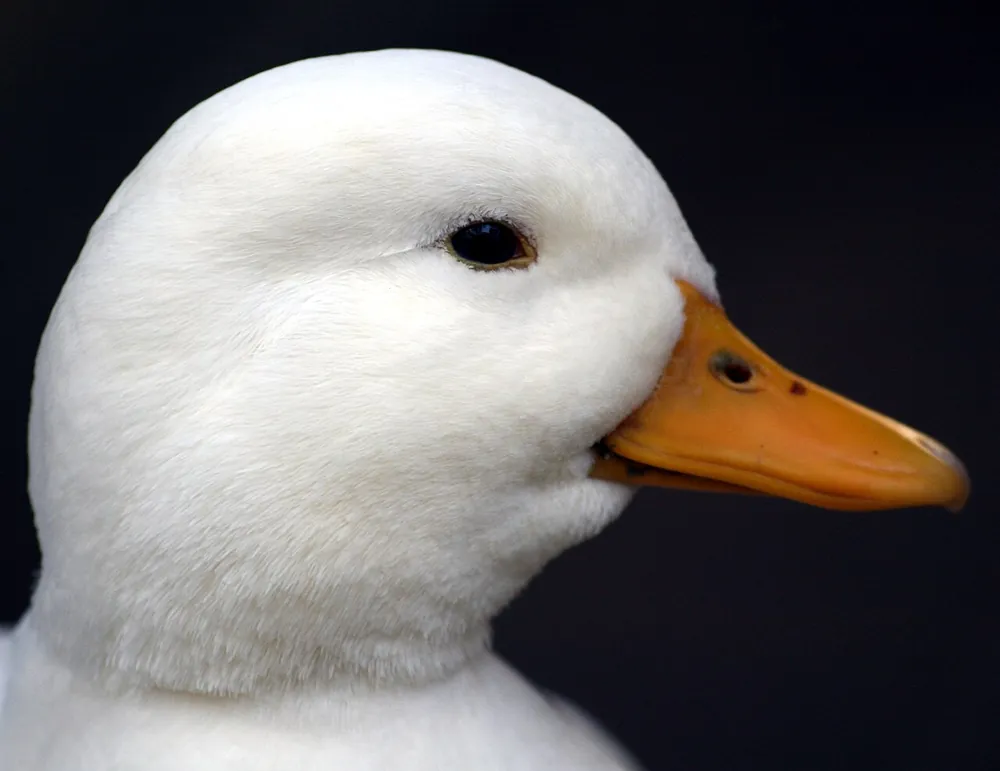
.jpg)
.jpg)
.JPG)

